
The Hidden Cost of Avoiding Rejection
Estimated reading time: 7 minutes
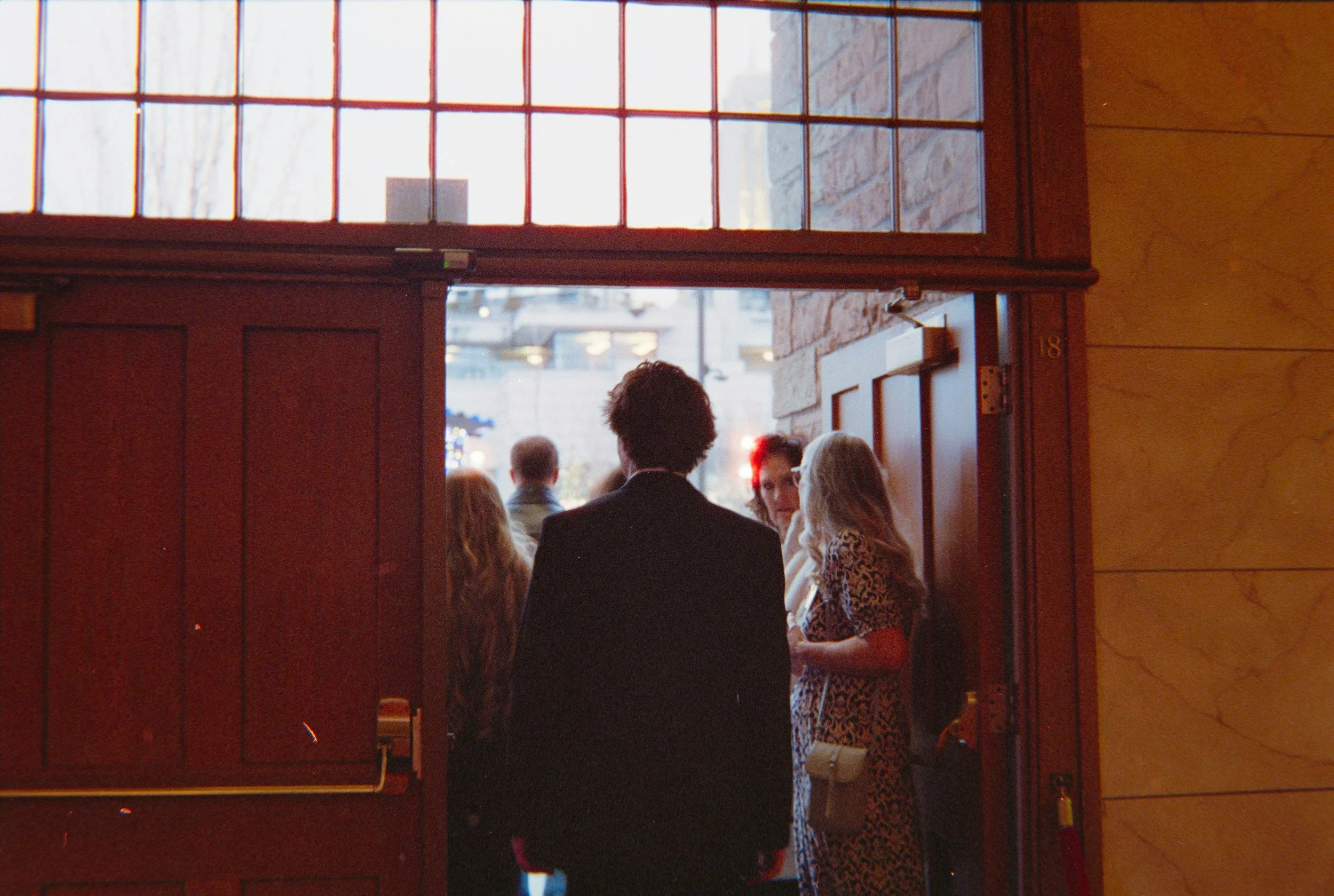
Sometimes the hardest part isn't hearing "no." It's deciding whether to ask.
Some of the most common questions I hear have nothing to do with dating apps, profile photos, or first-date etiquette.
They’re about rejection.
Or more specifically, the fear of rejection.
How do I talk to a stranger?
How do I ask if someone is single?
How do I ask for their number?
The mechanics are surprisingly straightforward. You just ask:
"Hi, I'm Sandy. What's your name?"
"Are you single?"
"I’d like to keep talking. May I have your number?"
Yet many people never ask. Underneath these questions is the same fear:
What if they say no?
Or worse, tell me I’m weird or bothersome?
Many of us spend a lot of time thinking about the cost of rejection. But we spend far less time thinking about the cost of avoiding it.
The Rejection We Give Ourselves

Sometimes we reject ourselves before anyone else has the chance.
Let's say you're at a coffee shop. You notice someone reading a book you've enjoyed.
You could walk over and say, "That's one of my favorite books."
...Or you could spend the next 10 minutes wondering whether they would find it strange.
Most people think the first scenario risks rejection. Sure, just keep in mind that the second scenario guarantees it.
The moment you decide not to act, you've already answered on their behalf.
You've decided they wouldn't want to talk. You've decided they wouldn't be interested. You've decided their answer is no.
The rejection still happened — you just delivered it to yourself.
Of course, conversations require two people. If you're trying to meet new people, it can also be helpful to consider how approachable you appear to others. I explored this idea further in How Easy Are You to Talk To?
Most Missed Opportunities Never End in Rejection
They end in hesitation.
Think about the opportunities you've missed over the years. How many ended with someone explicitly rejecting you?
And how many ended because:
You didn't start the conversation.
You didn't ask the question.
You didn't express interest.
You didn't follow up.
You convinced yourself it probably wouldn't work.
Many of the connections we don't have today never had a chance to begin. They weren't lost because someone rejected us. They disappeared because we never gave them a chance.
This is one reason I think we overestimate rejection. We can clearly remember the times someone said no. It's much harder to notice the opportunities that quietly disappeared because we never acted in the first place.
We Keep Score Wrong
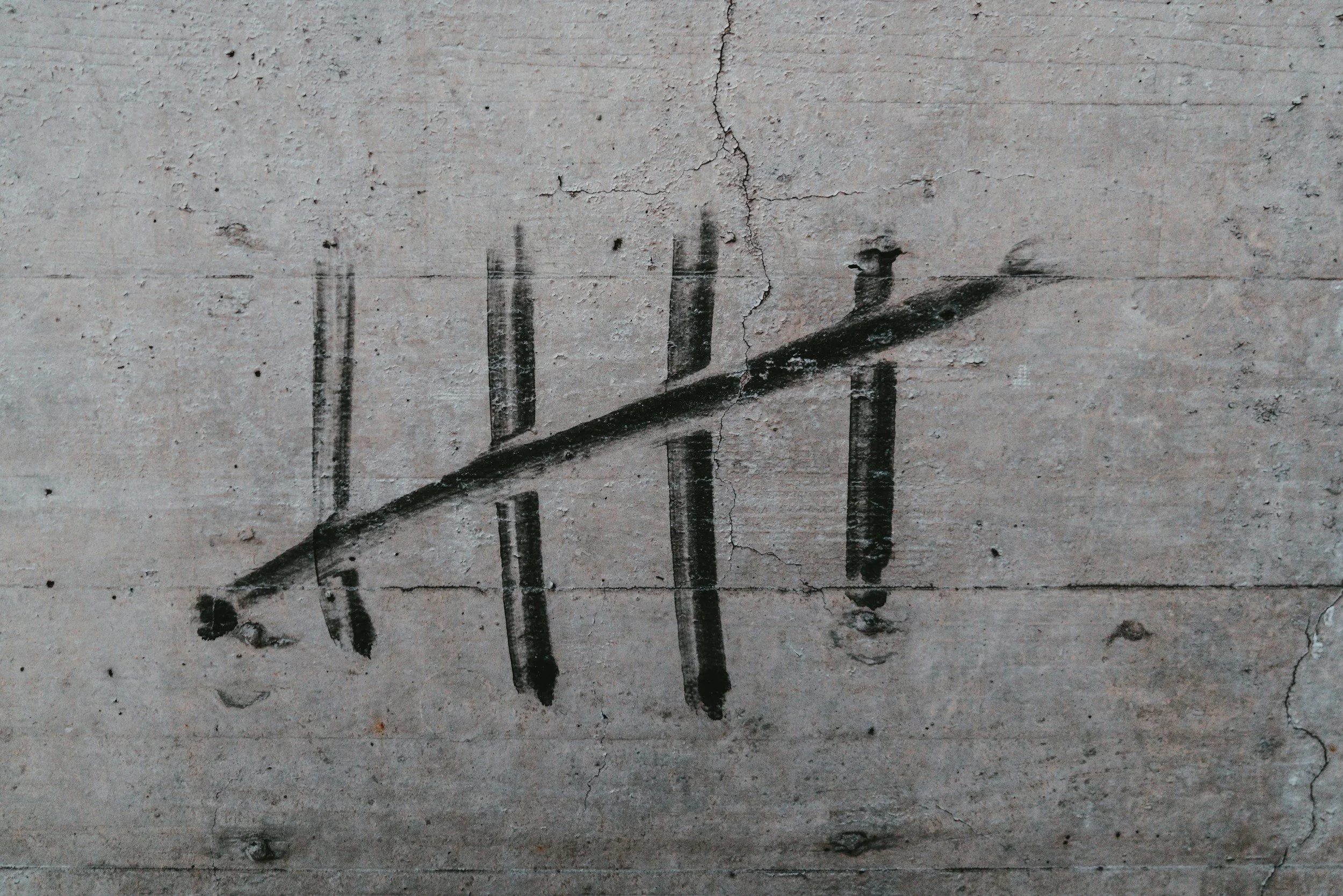
It's easy to remember every rejection and forget all the conversations that went well.
Imagine a baseball player who only counted strikeouts.
Or a salesperson who only counted lost deals.
It would be difficult to maintain perspective.
Yet that's exactly how many people approach dating and social interactions.
Many of the connections we don't have today never had a chance to begin. They weren't lost because someone rejected us. They disappeared because we never gave them a chance.
Meanwhile, we conveniently forget:
The person who smiled back.
The enjoyable conversation.
The new friend.
The second date.
The invitation that was accepted.
When you only count the misses, it's easy to conclude you're failing.
The reality is that most social interactions are neither spectacular successes nor painful failures. They're simply interactions. A brief conversation at a coffee shop. A friendly exchange at a volunteer event. A few minutes chatting with someone before moving on with your day.
Not every interaction needs to lead somewhere to be worthwhile.
Not Every "No" Needs an Explanation
None of this means rejection feels good. It can be embarrassing, disappointing, and sometimes surprisingly painful.
One of the most exhausting parts of rejection is the story we create afterward.
Why didn't they respond? Why weren't they interested? What did I do wrong?
Sometimes those questions are useful. Often they aren't. In fact, one of the most common traps after rejection is obsessing over explanations that we'll never fully know. I wrote more about this tendency in Stop Asking Why in Dating and Relationships.
Not every rejection is a verdict on your attractiveness, intelligence, personality, or worth.
Sometimes they weren't interested. Sometimes the timing was bad. Sometimes they were already seeing someone else. Sometimes they simply weren't your person.
I've also noticed that many people assume rejection is a carefully considered judgment. In reality, people decline opportunities for all kinds of reasons that have little to do with us.
A "no" doesn't automatically mean there's something wrong with you. More often, it means this particular opportunity wasn't the right fit.
That's disappointing.
But it's very different from being defective.
Rejection Is Part of the Process
Many people approach dating as if rejection is evidence that something has gone wrong.
I’d like to offer an alternative perspective: You're not looking for everyone to say yes. You're looking for the people who are a good fit.
That means there will be people you're not interested in. There will be people who aren't interested in you. And occasionally, you'll find someone where the interest is mutual.
That's how the process is supposed to work.
There's a concept in economics that if something is priced correctly, some people will buy it and some people won't. The same idea applies here.
Relationships work much the same way. Not everyone is supposed to be interested in you. Not every friendship is supposed to develop. Not every date is supposed to become a relationship.
In fact, I'd be more concerned if nobody ever rejected you. It would probably mean you're never expressing interest, never taking risks, and never giving people the opportunity to make a choice.
A healthy dating life isn't one without rejection.
It's one where rejection doesn't stop you from continuing.
Building Tolerance
Many people think confidence comes first and then they take action.
In reality, it's often the other way around.
Confidence comes from collecting evidence. Evidence that you can survive awkward conversations. Evidence that you can survive hearing no. Evidence that rejection feels uncomfortable but isn't catastrophic.
Whenever I ask a yes/no question, I remind myself that "no" is a perfectly valid response.
Would you like to grab coffee sometime?
May I have your number?
Are you interested in going on a date?
If we're going to ask a question, we have to make room for both possible answers. Otherwise we're not really asking a question.
That said, hearing "no" does not feel good. It’s still disappointing. But a "no" isn't evidence that the question shouldn't have been asked. It's simply one of the possible outcomes.
One of the simplest ways to build confidence is to lower the stakes. Talk to the stranger. Ask the question. Give the compliment. Start the conversation.
You're not trying to guarantee a particular outcome. You're simply practicing a skill.
Every time you take a small social risk, you're teaching yourself something important: you can handle uncertainty.
This is one reason I'm a fan of low-stakes interactions with strangers. Chat with the cashier. Compliment someone's dog. Ask a simple question. (See: The Benefit of Low-Stakes Interactions with Strangers)
If you're not sure how to start those conversations, I put together a list of practical examples in How to Break the Ice Offline.
Final Thoughts
The next time you wonder whether to start the conversation, ask the question, or express your interest, remember this:
If you never ask, you've already accepted one answer.
You can either:
Let them decide.
Decide for them.
I'd rather hear their answer than imagine it. I hope you will, too.
