
The Kindest Interpretation
Estimated reading time: 4 minutes
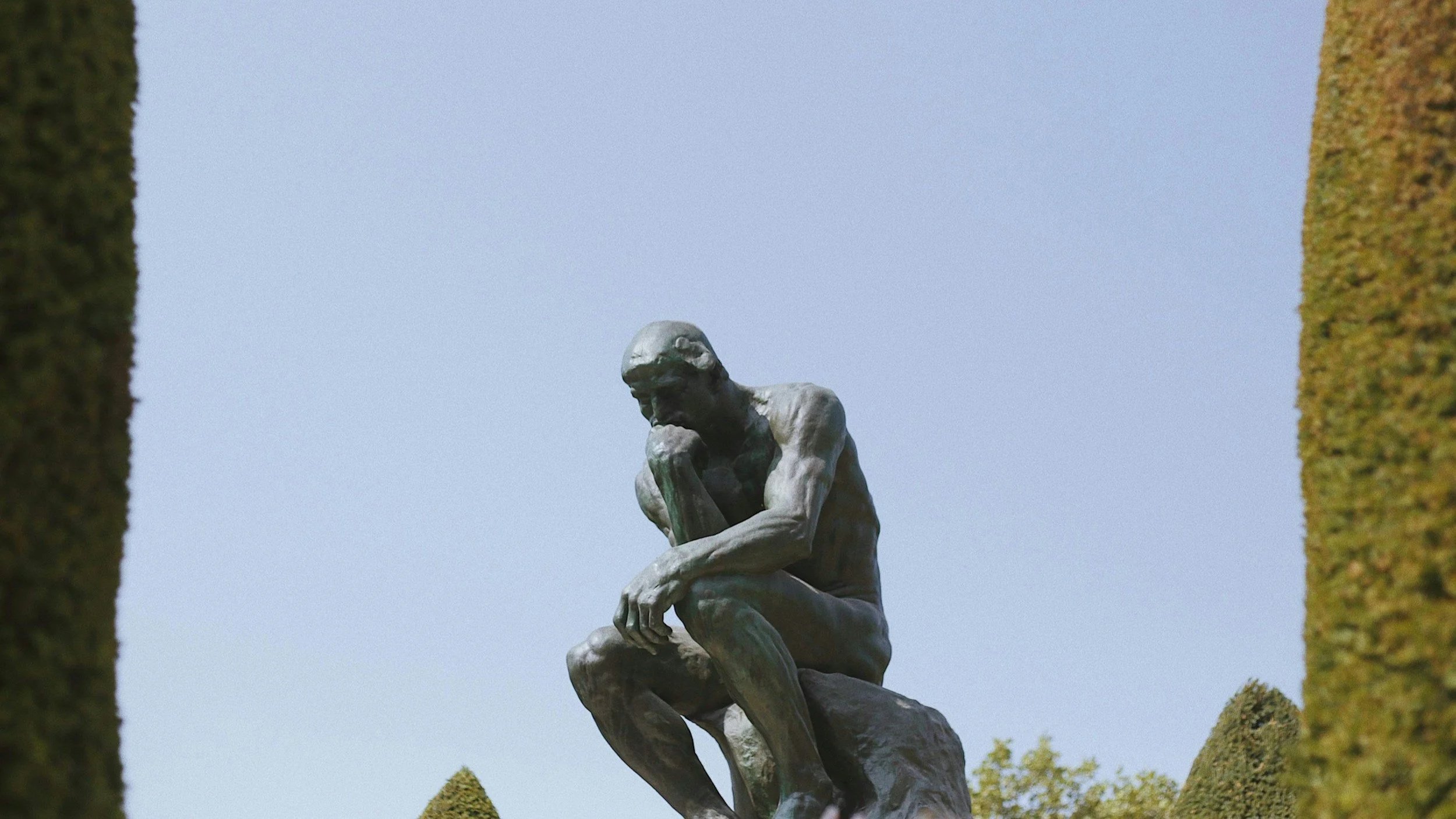
We spend a lot of time trying to read between the lines.
Did they really mean it?
Were they just being polite?
What was that tone?
In dating (and in many other kinds of human interactions), it’s easy to spiral in interpretation. You ask, “Would you like to hang out?“ and they respond, “Yeah, maybe we can get together sometime.”
…and suddenly, your brain is running diagnostics:
Did they misunderstand me?
Are they not interested?
Was that an indirect no?
But the thing is, you’ll never know with certainty.
And the kindest interpretation — for both of you — is to take what they said at face value.
Why We Interpret
Guessing feels productive. It gives us something to do when we don’t have a clear answer.
We replay conversations.
We analyze tone and timing.
We run mental simulations of what they might have meant — all in the hope of uncovering meaning that was never actually hidden.
But most of the time, interpreting doesn’t bring clarity. It just keeps you stuck in the loop.
What Kindness Looks Like
Kindness, in this case, isn’t about being naïve or ignoring subtext.
It’s about giving others the dignity of their words — and giving yourself peace of mind by accepting them as they are.
If someone says, “Let’s get together sometime,” that’s what they said. Maybe it’s a friendly and unintrusive. Maybe it’s a vague no.
Taking their words at face value saves you from trying to play a guessing game.
The same goes for everyday interactions. If a coworker says, “I’ll take a look at it when I have time,” you could assume they’re brushing you off or you could accept that they’ll look when they can.
The first interpretation fuels anxiety. The second lets you move on with your day — which is really an act of kindness toward yourself if you think about it.
When It’s Worth Looking Closer
Interpretation can be useful when there’s a pattern. When you’ve had repeated interactions, mixed signals, or clear inconsistencies between words and actions.
In these scenarios, it’s observation, rather than guessing.
The question isn’t “What did they mean?”
It’s “What did that interaction tell me about what I want?”
Did you like how that felt?
Did it leave you curious, confused, or dismissed?
This is far more helpful and useful information.
A Small Challenge
See what happens this week if you take people at their word without guessing.
You might find that clarity comes faster when you stop trying to interpret it.
